Traditional cybersecurity is increasingly overwhelmed by the increasingly complex digital threat landscape. The increasing number of IoT devices, hybrid cloud systems, and AI-based cyberattacks have made centralized security approaches obsolete. Therefore, two cutting-edge approaches-AI-powered cybersecurity and cybersecurity mesh architecture (CSMA)- are emerging as more adaptive and resilient solutions. Gartner even projects that by 2025, cybersecurity mesh will reduce the financial impact of security incidents by 90% in companies that implement it well [Gartner, 2021].
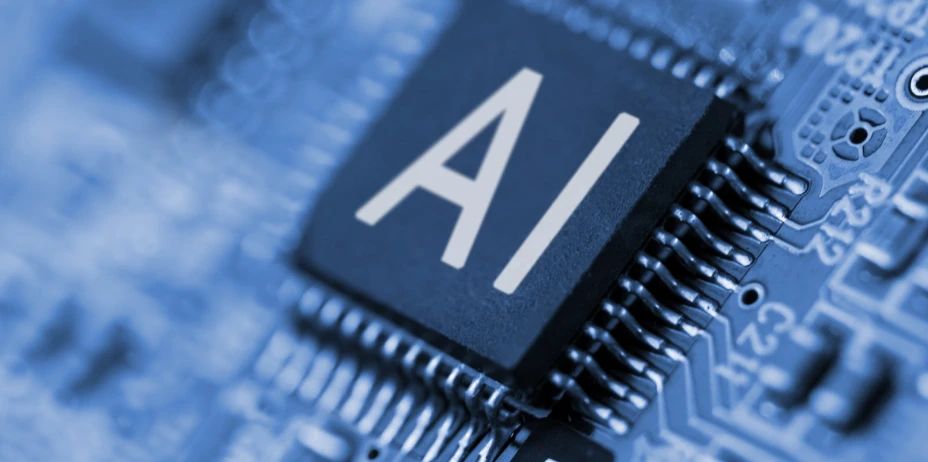
AI-powered cybersecurity works by utilizing machine learning, big data, and natural language processing to detect threats in real-time, even before an attack actually occurs. This technology is able to analyze abnormal network traffic patterns, recognize zero-day attacks, and speed up the automated response process. According to the IBM X-Force Threat Intelligence Index 2024, organizations that adopt AI in their security systems are able to reduce incident response time from an average of 280 days to just 70 days [IBM, 2024]. This efficiency not only saves time but also millions of dollars in loss costs.
On the other hand, Cybersecurity Mesh enables a decentralized and flexible security architecture. This approach allows each digital asset-whether cloud, on-premise, or edge-to have its own security policies and controls, without having to rely on a single central point. This is especially important for companies implementing multi-cloud and hybrid infrastructure. CSMA also drives integration between previously isolated security systems, creating a more responsive and modular security fabric [Forrester Research, 2023].
With digital threats becoming more sophisticated and unpredictable, companies can no longer rely on static security systems. The integration of AI in cybersecurity and the implementation of a cybersecurity mesh are strategic steps towards an intelligent, proactive, and scalable security system. In today's data-driven and edge-powered era, the combination of these two approaches is no longer an option-it is a necessity to survive in the midst of an ever-evolving global digital ecosystem.
Sources:
Gartner Analysis
Top Strategic Technology Trends for 2022 [Gartner, 2021].
IBM X-Force Report
X-Force Threat Intelligence Index [IBM, 2024].
Forrester Research
The Future of Security Architecture is Mesh [Forrester Research, 2023].